24,012 bags cultivated; output falls to 2,637kg
Photo: TBS
“>

Photo: TBS
Bag-based ginger cultivation in Chattogram, often promoted as a low-cost and profitable method, has suffered a sharp fall in output this season, according to Department of Agricultural Extension (DAE) data, even though farmers cultivated more bags than targeted.
The figures mark a break from the trend of the past two years, when both the scale of cultivation and production had increased steadily across the district.
According to the agriculture department data, Chattogram produced 12,000 kg of ginger from 11,000 bags in the 2023-24 fiscal year. In 2024-25, cultivation nearly doubled to 22,167 bags, and output rose to 15,000 kg, up by 3,000 kg from the previous year.

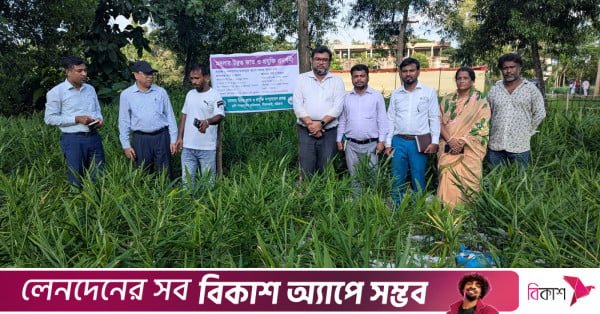
In the current 2025-26 season, the target was to cultivate ginger in 22,170 bags. But farmers exceeded that target and cultivated 24,012 bags across the district. Despite the higher number of bags, total production stood at only 2,637 kg after harvest.
That means output fell by about 12,363 kg from last year’s 15,000 kg, a decline of more than 80%, according to the DAE’s final report for the Chattogram region.
Agriculture officials said soil-related problems, gaps in proper management, and adverse weather, including both rain and drought, may have affected production. Even so, the DAE is not describing the situation as a complete collapse. Officials say yields were lower in some areas, but satisfactory in many others.
They also said farmers are being given technical advice and support to help stabilise production and reduce such risks in future seasons.
Sub-assistant Agriculture Officer Sourav Das of the Chattogram region told The Business Standard that field-level officials are regularly encouraging farmers and ensuring technical support.
“Ginger can be grown in geo-bags on cultivable fallow land, around homesteads, in orchards and on building rooftops, which could help increase production and cut import costs,” he said.
Photo: TBS
“>

Photo: TBS
The method has gained popularity because it is relatively simple and environment-friendly. Usually, farmers plant ginger seed in cement sacks or geo-bags filled with 20 to 25kg of sandy loam soil mixed with organic and chemical fertilisers and granular pesticides. The method does not require separate cropland, and planting can be done in stages in each bag.
Upazila-based figures show that the highest level of bag-based ginger cultivation this season was in Hathazari, with 6,500 bags. It was followed by Fatikchhari with 4,000 bags, Mirsharai with 3,500, and Sitakunda with 3,000. The number of cultivated bags is also rising in Patiya, Anwara and Satkania.
Officials say one major advantage of bag cultivation is better disease control. In open-field farming, rhizome rot can destroy an entire crop. In bag cultivation, however, one infected bag can be removed quickly, reducing the risk of spread to others.
The DAE has been promoting the method under its projects on family nutrition gardens in fallow land and homestead spaces, as well as through programmes to expand improved spice varieties and technology. Officials say this could help reduce dependence on imported ginger.
DAE Chattogram Additional Deputy Director (Crop) Md Omar Faruk told The Business Standard that the method at least allows families to produce enough ginger for household use, which could directly help reduce imports at the national level.
“Yield may vary because of soil conditions, management gaps and changing weather such as rain and drought, but the low cost and easy adoption of the method continue to encourage farmers,” he added.
About The Author