As Ramadan nears its end, Dhaka is alive with the familiar bustle of a city on the move. From river ports to bus terminals and highways, residents are making their way home to celebrate Eid-ul-Fitr with their families, bringing a steady surge of travellers and a renewed energy to the capital’s transport hubs.
At Sadarghat Launch Terminal, the city’s main river port, yesterday (16 March) – the last working day before the festival – saw a steady rise in passengers. Launch workers, porters, and labourers moved purposefully across the terminal, preparing for the influx expected from today (17 March).
Travellers streamed in from across the city, bound for southern districts such as Barishal, Bhola, Chandpur, and Patuakhali. Families and students returning home were particularly visible, with many choosing to start their journeys early to avoid peak crowds.

On the Dhaka–Barishal route, deck seats cost Tk300, single cabins Tk1,200, and double cabins Tk2,400, while VIP cabins range from Tk6,000 to Tk10,000.
Deck fares on Dhaka–Muladi and Bhasan Char routes are Tk400, with cabins between Tk1,000 and Tk2,000. Chandpur-bound launches charge Tk200 for decks and Tk500-2,000 for cabins.
“Decks remain fairly empty now, but the rush will pick up by evening,” said Jami Uddin, ticket master for the Al Borak launch. Abdul, staff on a Char Fasson-bound launch, added, “Terminals are almost empty most of the year; only around Eid do they buzz like old times.”
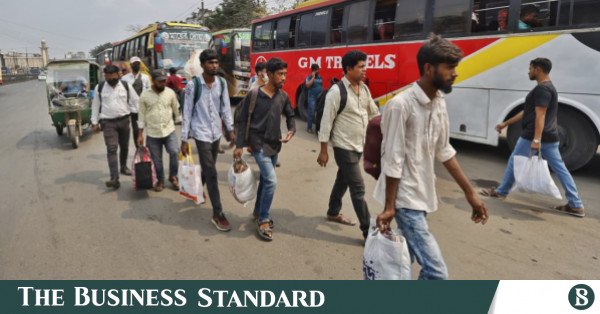
Meanwhile, at Sayedabad and Dholairpar bus terminals, the flow of travellers increased noticeably from yesterday morning. Parents waited patiently with children, like one-and-a-half-year-old Raisa Moni, who rested on her mother’s lap, heading to her grandfather’s home in Barishal.
Mohammad Russell, employee of a private company, unable to purchase an advance ticket for Gopalganj due to a heavily loaded work schedule, finally secured a Khulna-bound bus departing in four hours. Counter officials reported heavy passenger loads on southern routes, with some buses selling out and others filling quickly.
In Gabtoli and Mohakhali terminals, preparations were in full swing. Advance tickets for 17–19 March had already been sold, and special buses were arranged to handle extra passengers. Vigilance teams comprising BRTA, police, city corporation officials, and transport unions monitored fares and passenger safety.
Executive Magistrate Sukanta Saha said, “We are keeping a close watch to ensure passengers are not harassed and that fares are not charged above the prescribed rates.”
Abdul Alim, waiting for a bus to Gaibandha, noted that fares had risen slightly compared to last year. “I booked my ticket 5 days ago. It’s nearly impossible to get a ticket on the spot. If you’re lucky, a few standing passengers’ seats might become available. The fare is Tk750, whereas earlier I could travel for Tk600,” he said.
Although the fare list at the counter already set Gaibandha tickets at Tk750, driver Shafikul explained, “The ticket price has always been this, but normally buses ran with empty seats, so passengers were sometimes taken for a discounted fare. During Eid, buses have to leave full, so reducing fares isn’t possible.”
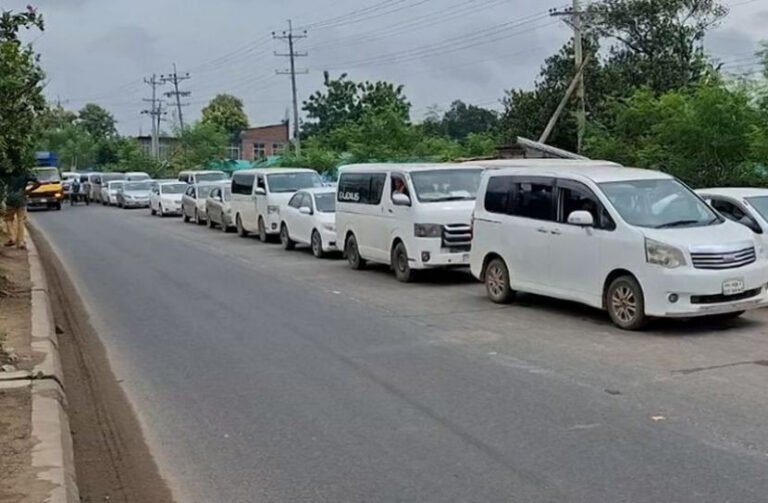
On the roads, the Dhaka-Mawa Expressway has also seen growing traffic. Passenger buses, private vehicles, and goods carriers increased in number after noon yesterday. Authorities said traffic remains smooth, though congestion is expected to rise from late afternoon into the early hours of today.
Seven-day Eid holidays have been announced from 17 to 23 March for government employees, with the festival likely to fall on 21 March, depending on moon sighting.
About The Author