Highlights:
- US–Israel war on Iran disrupts oil supplies, closes Strait of Hormuz
- Oil prices surge above $100, raising global inflation risks
- Energy disruption threatens global growth, supply chains, and shipping routes
- Europe faces rising gas prices amid reduced Russian energy supplies
- Asia heavily exposed; over 80% energy imports pass Hormuz
- Bangladesh struggles with shortages, rationing, and costly emergency energy imports
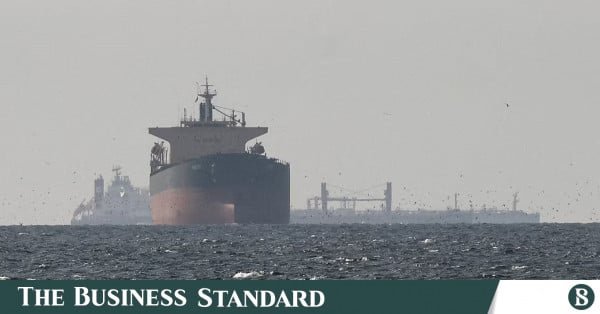
The Israel-US war on Iran and its cascading effects have pushed the world into uncertain territory. Attacks on oil facilities and the closure of the key sea route – the Strait of Hormuz – have nearly choked off vital fuel supplies to many countries. Unpredictable leadership in the warring nations has left governments across the region without a clear sense of when the devastating conflict might end.
At a White House briefing on Tuesday, a spokesperson said the original timeframe for the military campaign was four to six weeks, but key targets had been achieved sooner than expected, potentially bringing the war closer to an end. However, no exact timeframe was given. Iran, on the other hand, asserted that it would decide when the war stops – not Washington or Tel Aviv.

It has been 12 days since the war broke out with US-Israel strikes that killed Iran’s supreme leader along with senior military commanders. The conflict has since escalated, with Iran initially targeting US bases before striking oil facilities in neighbouring Middle Eastern countries and closing the Strait of Hormuz. The US and Israel have intensified airstrikes on Iran’s key civilian, military and oil infrastructure. Israel has also expanded its offensive into Lebanon, targeting pro-Iranian Hezbollah positions.
While the warring sides assess their strategic gains, the rest of the world is bracing for what may come if the Strait of Hormuz remains closed for a long period and oil output in key producing countries stays disrupted. How severe the consequences for the global economy will be depends on how long the war lasts.
Oil shock stirs global inflation fears
Even before this latest war, the global economy was reeling from the Russia-Ukraine conflict, which disrupted supplies through the Black Sea and pushed oil prices above $100 a barrel four years ago. Then came US President Donald Trump’s sweeping tariffs, which rattled US trade with allies and adversaries alike. Though intended to reduce the trade deficit and “Make America Great Again”, the additional tariffs raised prices for American consumers on everything from coffee to apparel to cars. A court later ruled the tariff measures invalid, but Trump used alternative legal tools to impose an additional 15% flat tariff on most imports.
Now, the war on Iran has again put the resilience of the global economy to test. Alongside Brent crude – the global benchmark – US crude oil also surged past $100 per barrel, before easing to around $91.
A prolonged war would keep fuel prices elevated, disrupt essential sea routes, halt oil production in parts of the region, increase freight costs and transit times, and heighten risks to cargo vessels. The result would be renewed supply chain disruptions, higher inflation, slower economic growth and weaker consumption worldwide.
The International Monetary Fund had forecast a global growth of 3.3% this year. While it has not yet revised its projection, Deputy Managing Director Dan Katz warned that an escalating US-Israel war on Iran could be “very impactful” for global growth and inflation.
Gasoline prices climbed to an 11-month high in the US, hitting motorists and small businesses.
Goldman Sachs estimates that if current oil prices persist for several months, US inflation could rise to 3% by year-end, up from 2.4% in January. That would limit the Federal Reserve’s scope to cut interest rates, dampening hopes among American homebuyers for cheaper mortgages.
For every sustained $10 increase in oil prices per barrel, average annual US household expenditure could rise by about $450, according to Mark Zandi, chief economist at Moody’s Analytics.
The closure of the Strait of Hormuz sent European natural gas futures soaring by 50%. If the disruption continues, prices could double from pre-war levels, making the coming winter especially difficult for Europe.
With gas supplies from Russia restricted due to sanctions, Europe now relies heavily on Middle Eastern energy shipped through Hormuz. Energy reserves have dwindled since the Russia-Ukraine war, and replenishing stocks for winter would be costly.
The European Union could see inflation rise by more than one percentage point in the coming months from 2% in January, while economic growth could fall by half a percentage point, analysts warn. European motorists are already paying more at filling stations, with gasoline and diesel prices posting double-digit increases in Germany and rising sharply in the UK.
Asia’s deep energy exposure
For Asia, the shock is even more intense. More than 80% of the region’s crude oil and gas imports pass through the Strait of Hormuz. A prolonged closure would deepen economic stress across the continent.
For China, the world’s second-largest economy, the war coincides with a downward revision of its growth forecast. China is a major buyer of Iranian oil and gas, and those supplies could be disrupted further if Iran mines the strait in response to the US announcement of naval escorts.
Although China and India may secure additional supplies from Russia, other countries – including Japan – could struggle to ensure stable energy flows. Capital Economics estimates that if crude prices remain at the current levels, most Asian economies could see inflation rise by at least half a percentage point.
Bangladesh faces a critical test
Bangladesh’s exporters are already alarmed by early signs of weakening demand from Western markets. Some buyers have reduced orders, while some others have postponed or cancelled previous orders.
Beyond higher input costs, a prolonged Middle East conflict could cause port congestion, shipping delays and costly rerouting of vessels. Middle Eastern airlines carry about 13% of global air cargo, critical for transporting high-value items such as microchips and electronics. Flight disruptions have already affected Bangladesh’s exports of fresh produce to Middle Eastern markets. India has reported a decline in basmati rice exports to the region.
The energy shock presents a major test for Bangladesh’s new government, which took office last month. The country’s limited refining and storage capacity can meet demand for only four to five weeks, while Japan’s national oil reserves can cover a year’s consumption and India’s inventories cover eight weeks of demand. There are calls in the US and Japan to get prepared to release oil from strategic reserves if an emergency arises. South Korea has capped oil prices and Vietnam removed tariffs on oil imports, while China asked refiners to stop oil exports and even cancel previous bookings.
Though left with limited choices, Bangladesh is exploring all possible ways to ramp up supplies. Apart from moving to the spot market, the government has secured additional supplies from India through the existing pipeline and approached China for energy. It also sought a temporary waiver from the US to purchase Russian oil, Finance Minister Amir Khosru Mahmud Chowdhury said on Wednesday, citing a similar 30-day exemption given to India last week.
Although fuel rationing has been enforced at filling stations, authorities have decided not to raise fuel prices. The state minister for energy said Bangladesh has the capacity to maintain normal energy and power supply until May.
The government has booked LNG cargoes from the UK and South Korea for April delivery at prices more than double the previous spot rates but has chosen not to pass the additional costs on to consumers.
While users are shielded from direct price hikes, the fiscal burden will increase as subsidy costs rise. State-owned oil and gas agencies have already sought additional finance as subsidy.
Under IMF loan conditions, Bangladesh is expected to phase out energy subsidies and allow fuel prices to reflect market rates. In neighbouring India, oil prices are adjusted to global market prices.
Transport costs have already gone up significantly. Transport operators report receiving less diesel than required for long-haul trips due to rationing, forcing them to reduce frequency and increasing operational costs.
Industry analysts argue that Bangladesh remains underprepared for external energy shocks. Disruptions – whether in the Red Sea by the Houthis, the Black Sea at the beginning of the Russia-Ukraine war, or now the Strait of Hormuz – have exposed vulnerabilities in global trade routes.
Muhammed Aziz Khan, chairman of Summit Group, said the Russia-Ukraine war exposed the fragility of global energy supply chains, yet Bangladesh made limited progress in diversifying sources, securing long-term contracts or expanding infrastructure. Extreme reliance on the Strait of Hormuz remains a key strategic risk, he warned, adding that LNG could also be sourced from the US, Africa and other emerging exporters.
Under a trade deal signed with the US in February, Bangladesh is set to purchase American LNG for 15 years beginning in 2028.
Aziz Khan described the cancellation of a floated LNG terminal project by the immediate-past interim government as a “strategic opportunity lost for Bangladesh”, arguing that the project could have diversified long-term LNG supply sources beyond the Gulf and reduced dependence on the Hormuz route – thus making a step forward towards the country’s energy security.
“The crisis has exposed our near-total reliance on the Chattogram-Suez route as a dangerous single point of failure,” said corporate leader Sabbir Ahmad.
With domestic gas production critically low, experts argue Bangladesh must gradually reduce dependence on Middle Eastern LNG and pivot towards more diversified supply corridors, including Indonesia and Malaysia.
Bangladesh failed to take decisive steps to explore more natural gas domestically and accelerate its transition to renewable energy, leaving the country heavily dependent on energy imports. As a result, it remains structurally exposed to global oil supply shocks.
About The Author