The economists emphasised that while the full extent of the crisis remains unclear, pressure on the US dollar and national reserves is inevitable.
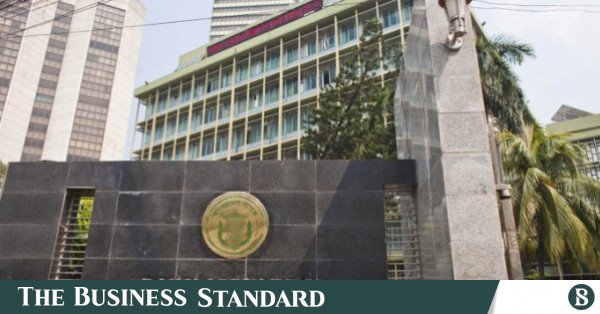
Bangladesh Bank. File Photo: Collected
“>

Bangladesh Bank. File Photo: Collected
Leading economists have urged the Bangladesh Bank (BB) to prioritise the preservation of foreign exchange reserves and seek alternative energy sources to shield the national economy from the looming fallout of the Middle East conflict.
The advice was given during a high-level meeting today (7 March) between Governor Mostaqur Rahman and eight of the country’s top economists, held at the central bank headquarters in Motijheel. The session was convened to discuss policy strategies amid rising global uncertainty caused by military tensions between the US and Iran.
Key recommendations from economists

The economists emphasised that while the full extent of the crisis remains unclear, pressure on the US dollar and national reserves is inevitable. Their primary recommendations include:
Preserve reserves: Avoid spending dollars from the reserves to fund imports; instead, use existing foreign currency inflows strictly for essential stability.
Fuel diversification: To reduce dependency on the volatile Middle East, the government should immediately explore fuel imports from alternative sources such as Brunei and Singapore.
No immediate hikes: Despite rising global prices, the experts advised against passing costs on to domestic consumers immediately to prevent a further spike in inflation.
Monetary caution: They argued against lowering the policy interest rate (repo rate) at this moment. While lower rates could boost investment, the priority must remain inflation control until the war-induced pressure subsides.
Governor pledges independence
Governor Mostaqur Rahman, who took office on 26 February, addressed concerns regarding political influence during the meeting.
“I will perform my duties with absolute honesty and will not make any decisions under political pressure,” the governor assured the economists.
He also instructed commercial banks to remain steadfast against external political interference in their decision-making processes.
Strengthening financial inflow
The meeting also highlighted potential risks to remittance inflows if worker movement in the Middle East is disrupted.
To mitigate this risk, economists recommended facilitating smoother legal channels for expatriates to send money home, expediting the release of committed foreign loans from the World Bank and other global lenders, and seeking additional credit lines from the Islamic Development Bank (IDB), particularly for oil imports.
The meeting concluded with a proposal to form a standing committee of experts to provide regular updates and policy recommendations to the central bank to prevent public panic and ensure institutional stability.
About The Author