The government ordered a 10% cut in fuel allocations to filling stations, reduced gas supply for power generation by 50mmcfd, and shut down all but one fertiliser factory.
Infograph: TBS
“>

Infograph: TBS
A war thousands of miles away is rapidly turning into an energy emergency for Bangladesh. Disruptions in shipping through the Strait of Hormuz caused by escalating conflict between the United States, Israel, and Iran have forced Dhaka to ration fuel and gas while scrambling to secure LNG and refined oil from the volatile spot market.
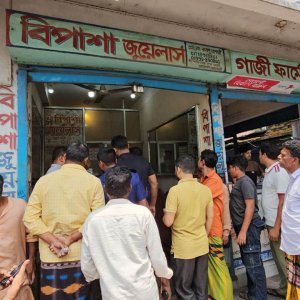
The impact is already visible. Petrol pumps are crowded with anxious customers stockpiling fuel, fertiliser plants are shutting down due to gas shortages, and energy officials are racing to replace disrupted LNG shipments from Gulf suppliers.
Petrobangla Chairman Md Arfanul Hoque confirmed that two LNG cargoes scheduled for March have been delayed, though replacement bookings have been made on the spot market. “If shipments arrive on time, supply will remain stable. If delayed, rationing will be necessary for fertiliser production and electricity generation,” he told The Business Standard.
Bangladesh’s heavy reliance on imported energy, most of which passes through the Hormuz chokepoint, has raised urgent questions about whether crude oil and LNG shipments will arrive in the coming weeks. With irrigation demand peaking, industries facing erratic gas supply, and households bracing for high inflation ahead of Eid, prolonged disruptions could push fuel prices higher, slow industrial output, and strain foreign exchange reserves.

10% cut in supply to filling stations
At a high-level meeting chaired by Energy Minister Iqbal Hasan Mahmud Tuku, the government ordered a 10% cut in fuel allocations to filling stations, reduced gas supply for power generation by 50mmcfd, and shut down all fertiliser factories except Shahjalal Fertilizer Company in Sylhet. Vigilance teams have been deployed to prevent hoarding and smuggling, while pump owners have been instructed to stop selling fuel in drums or containers.
Reserves are dwindling fast. Diesel stocks have dropped to just nine days of supply, octane reserves to 15 days, and furnace oil reserves to 60 days, down from 93 days only weeks earlier.
AKM Azadur Rahman, BPC director (operations and planning), said some countries with which Bangladesh has government-to-government (G2G) agreements have surplus cargoes, and efforts are being made to secure them.
In addition, emergency imports are being negotiated with Singapore, Malaysia, Indonesia, China, and African suppliers, while Aramco has pledged refined oil shipments from outside Saudi Arabia.
Officials are urging citizens to conserve energy by limiting private travel, car-pooling, and reducing gas use at home. Prime Minister Tarique Rahman has symbolically led by example, cutting electricity use in his office by switching off half the lights and setting air conditioners to 25°C.
Global LNG prices have already surged 35%, raising fears of further inflation. Industry leaders warn that prolonged disruptions could cripple production and exports, with the BGMEA calling for a waiver of duties, taxes, and VAT on fuel and gas imports to cushion the blow.
Vigilance teams check fuel hoarding
The Energy Division, in coordination with the Cabinet Division and the Ministry of Home Affairs, has instructed district administrations to form vigilance teams, including Border Guard Bangladesh (BGB) and other relevant authorities, in border areas to prevent fuel smuggling and illegal stockpiling.
Additionally, BPC has been directed to establish district- and regional-level vigilance teams, coordinated by officials from its three distribution companies, to monitor the overall fuel supply situation.
District administrations have also been instructed to oversee petrol pumps to ensure that fuel is distributed strictly according to the allocations specified in BPC charts, and that open-market sales of fuel are not occurring.
Meeting with pump owners
This afternoon (5 March), the BPC held an online meeting with the Petrol Pump Owners Association, instructing operators to stop selling fuel in drums or containers.
Sajjad Karim Kabul, the association president, told TBS that while BPC emphasised selling fuel in line with the current situation, pumps cannot refuse service to any customer.
“We have asked the government to communicate this clearly so the public understands extra fuel cannot be taken,” he said. The association has also requested guidelines on the maximum fuel a customer can buy at one time. Karim warned that poor supply management could force many pumps to close.
Meanwhile, petrol pump operators in the capital reported shortages. A survey of six pumps found four with no fuel, while the remaining two limited sales to Tk500 per customer.
In Gabtoli, no fuel was available, and at pumps with supply, long lines of cars and motorcycles had formed, with one motorcyclist reporting nearly an hour in line.
LNG shipments under pressure
Sources said the government has master sale and purchase agreements with 23 international companies to import LNG through the spot market.
They said seven LNG cargoes were scheduled for March, including six from Qatar and one from Angola. Qatar has informed that it cannot supply two of these cargoes, which are now being procured via the spot market through Singapore-based companies Gunvor and Vitol Asia.
Petrobangla Chairman Md Arfanul Hoque told TBS that five LNG cargoes are scheduled to arrive via the Hormuz Strait in April.
“Suppliers have assured that if the situation remains stable, these shipments will arrive on time. If it worsens, discussions are ongoing to source LNG from Australia, Angola, Malaysia, and the US,” he said.
He added that Petrobangla is coordinating with these countries and negotiating with companies under existing agreements to secure spot-market supplies. “There is currently no immediate risk of a major disruption in the country’s gas supply.”
Conservation on fuel use
The government has urged citizens to limit unnecessary travel, avoid private vehicles, and use public transport or car-pooling where possible.
In a notification today, the Energy ministry called on all public institutions, commercial establishments, and citizens to adopt energy-saving measures immediately.
For natural gas, the ministry advised maximising efficiency in cooking and other uses, avoiding unnecessary operation of gas-powered equipment, and regularly inspecting pipelines and burners to prevent leaks and wastage. Unauthorised gas use must be avoided.
All institutions have been asked to implement energy-saving measures during and after office hours, while commercial establishments must use energy judiciously and avoid excess consumption.
Prime Minister Tarique Rahman personally led by example in energy conservation at his office. As part of the initiative, he switched off 50% of the lights in the rooms and set the air conditioners to 25°C.
LNG prices surge by 35%
Azam J Chowdhury, chairman of East Coast Group, one of the country’s largest energy investors, told TBS that LNG prices have surged 35%, while LPG hovers at cost plus 10.5%.
He warned prices could rise further as global inventories shrink. “About 25% of global energy passes through the Gulf. Any blockade of the Hormuz will push prices higher, and with tight supply, no one is quoting,” he said.
He added that Asian countries like Bangladesh, heavily reliant on Gulf energy, could face serious setbacks. “Supply chains may be disrupted, and availability will be a major challenge.”
Yet he offered cautious optimism: “I believe the Hormuz Strait will not stay closed long. The world cannot sustain such price pressures after the Russia-Ukraine war. Inshallah, a resolution will come.”
BGMEA chief proposes waiver duties, taxes, VAT on fuel and gas imports
Mahmud Hasan Khan, BGMEA president, told TBS that the Middle East conflict has minimal impact on raw material imports and garment buyers. “The war is not expected to disrupt garment imports or exports.”
However, he warned that rising energy concerns in Bangladesh could hamper production and reduce exports. He added that higher fuel and gas prices would be unsustainable for the industry and proposed a full waiver of existing duties, taxes, and VAT on fuel and gas imports to offset the impact.
About The Author