Rangpur consultation urges urgent implementation of Media Reform Commission recommendations.
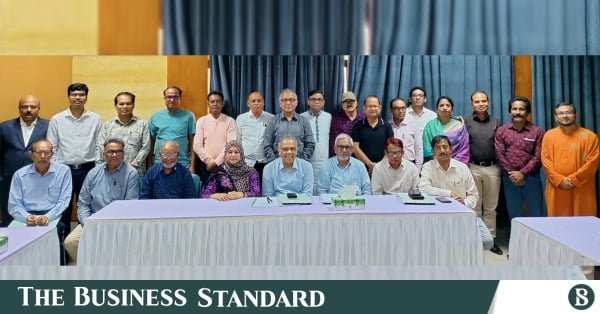
Media Resources Development Initiative (MRDI) organised a divisional consultation in Rangpur on 8 November 2026. Photo: Courtesy.
“>

Media Resources Development Initiative (MRDI) organised a divisional consultation in Rangpur on 8 November 2026. Photo: Courtesy.
Stakeholders across Bangladesh’s news media industry have called for a unified Code of Ethics to promote a free, accountable and responsible media environment, emphasising that it must be developed collectively by journalists, editors and professional organisations rather than imposed by the government.
The call came at a divisional consultation in Rangpur today (8 November), organised by the Media Resources Development Initiative (MRDI) as part of a nationwide series of discussions aimed at strengthening professional and ethical standards in journalism and establishing an effective framework for media self-regulation, according to a press release.
Participants also urged the government to prioritise implementation of the Media Reform Commission’s recommendations, arguing that comprehensive structural reforms were essential to safeguard editorial independence, ensure journalists’ financial and professional security, and rebuild public confidence in the media.

The Rangpur consultation was the fifth in MRDI’s divisional series, following similar discussions in Khulna, Barishal, Sylhet and Chattogram. The initiative is being implemented under the Canada Fund for Local Initiatives (CFLI), with support from the Canadian High Commission in Bangladesh.
The event brought together media owners and publishers, editors, newsroom managers, representatives of journalist unions and professional associations, university teachers and civil society representatives from Rangpur and neighbouring districts.
MRDI Executive Director Hasibur Rahman said strengthening media self-regulation would help minimise opportunities for external interference in journalistic affairs.
“Press freedom depends on the trust of the audience. As long as readers, listeners and viewers have trust in the news media, they will be able to enjoy that freedom. To maintain this trust, news outlets must establish their own accountability mechanisms,” he said.
He also advocated separate codes of conduct for media owners, editors and journalists, expressing optimism that efforts to promote self-regulation would continue under MRDI’s five-year Strategic Action Plan on Advocacy for News Media Reform in Bangladesh (2025–2030).
Media reform recommendations need timely implementation
The consultation reviewed the progress of the Media Reform Commission’s recommendations and explored the steps needed to translate them into practical reforms.
Participants noted that the recommendations had been developed through consultations with journalists, editors, media owners and civil society representatives across the country. They stressed that their implementation required transparency, coordination and a clear timeline.
They called for a phased implementation framework with specific deadlines and designated institutions responsible for carrying out individual recommendations, alongside regular progress assessments and continued engagement among stakeholders.
Participants also emphasised that effective self-regulation depended on strong, independent editorial policies capable of resisting undue pressure from the government, media owners, advertisers and political actors.
Journalists’ job security also a priority
The consultation also focused on the working conditions and professional security of journalists, with participants arguing that ethical journalism cannot flourish without financial stability and a safe working environment.
They urged media owners to ensure timely payment of salaries, provide formal appointment letters and guarantee legally mandated benefits and workplace protections.
Participants further stressed the need to give greater representation to media organisations and journalists outside Dhaka in national policymaking and discussions on media reform and self-regulation.
They said any meaningful and sustainable media accountability framework must reflect the diverse realities and professional challenges faced by news organisations across the country.
About The Author