SUCCESS study finds 53% of surveyed migrants moved to cities to escape climate-related risks, while many struggle with inadequate housing, water, sanitation and public services.
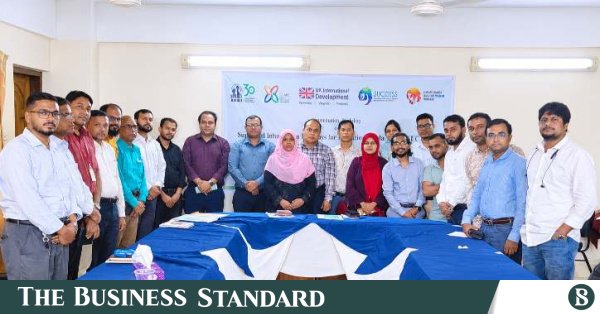
Participants attend a workshop on the findings of the SUCCESS research project on climate change, vulnerable communities and migration at Hotel Shaikat in Chattogram today (2 November). Photo: TBS
“>

Participants attend a workshop on the findings of the SUCCESS research project on climate change, vulnerable communities and migration at Hotel Shaikat in Chattogram today (2 November). Photo: TBS
Livelihood insecurity in rural areas and the impacts of climate change are driving more people towards cities, where many find jobs and regular incomes but struggle with inadequate housing, safe drinking water, sanitation, education and healthcare.
Researchers and development practitioners have called for more employment opportunities in rural areas and the inclusion of low-income migrants in urban development plans to address these challenges.
The findings were presented at a workshop on the results of the SUCCESS research project, which examines climate change, adaptation among vulnerable communities and migration. The event was held at Hotel Shaikat in Chattogram today (2 November).

The workshop began at 10:30am and ended around 1:30pm.
The Refugee and Migratory Movements Research Unit (RMMRU) is implementing the project with support from the Canadian government’s International Development Research Centre (IDRC) and the UK government’s Foreign, Commonwealth and Development Office (FCDO).
The research, led by RMMRU Executive Director Professor Tasneem Siddiqui, examines how communities exposed to climate risks adapt and assesses migration as one possible adaptation strategy.
RMMRU Research Associate Parvez Bhuiyan presented the project’s objectives and an overview of the study, while Dr Mohammad Rashed Alam Bhuiya, associate professor at Dhaka University and senior researcher at RMMRU, presented the findings.
According to the findings, around 25% of respondents moved to cities in search of better economic opportunities, while nearly 53% migrated to escape climate-related risks in rural areas. Around 39% of the women surveyed moved to cities with their husbands.
Rashed Alam Bhuiya said declining fish catches, crop losses, loss of capital and a lack of employment opportunities in rural areas were forcing people to move to cities. The concentration of development and industries in Dhaka and Chattogram was also contributing to migration, he added.
The families included in the study had an average monthly income of Tk7,446. After moving to cities, many found work in the garment industry, transport, retail businesses and day labour.
Around 72-74% of respondents said their living standards had improved after moving to cities, while nearly 75% reported being satisfied with their occupations.
However, many migrants continue to face shortages of safe drinking water, inadequate toilets, waterlogging, poor waste management and limited access to education and healthcare. In some areas, 10 to 20 families have to share a single toilet.
Around 70% of respondents also reported experiencing more intense heat in cities than in their places of origin.
Age-related discrimination in employment and a lack of childcare facilities were identified as major barriers for women. Many migrants also remain excluded from government services because of difficulties obtaining birth registration, identity documents and access to social protection programmes.
Participants at the workshop said expanding sustainable livelihoods, agricultural opportunities and employment in rural areas was essential to reducing migration pressure on cities.
They also called for the development of industries and jobs in areas surrounding Chattogram, including Anwara and Banshkhali, alongside the development of satellite towns and improved transport connectivity.
They stressed that migrants already living in cities must be included in urban planning, with access to safe water, sanitation, housing, education, healthcare and social protection. They also emphasised that people should not be denied basic services because they lack identity documents or other necessary papers.
Participants also raised questions about the study’s sample size and research methodology, arguing that broader samples and qualitative information were needed to understand differences in problems across settlements.
In response, Rashed Alam Bhuiya said the research had identified both positive and negative effects of migration. Alongside improvements in living standards, social support networks were also helping migrants adapt to urban life.
Researchers said migration should not be viewed merely as a burden on cities but also as a strategy for adapting to climate change. They said planned development in both rural and urban areas, coupled with access to essential services, could improve migrants’ living standards while easing pressure on cities.
Other participants included Biltu Chakma, chief instructor at the Bangladesh-Korea Technical Training Centre (BKTTC); Tapan Kumar Chakraborty of Chattogram City Corporation; Abu Sayem of the Chattogram Chamber of Commerce and Industry; Mahendra Chakma of the District Employment and Manpower Office; Mohammad Masudur Rahman of the District Relief and Rehabilitation Office; and Golam Rabbani Chowdhury, senior architect at the Chattogram Development Authority.
Representatives from the Department of Environment, Department of Fisheries, Technical Training Centre, Department of Women Affairs, University of Chittagong, various non-governmental organisations and the media also attended the workshop.
About The Author