Generation plunged by 5,370MW within an hour today, with gas-fired output falling 60% and coal-fired generation 39% as power plants went offline.
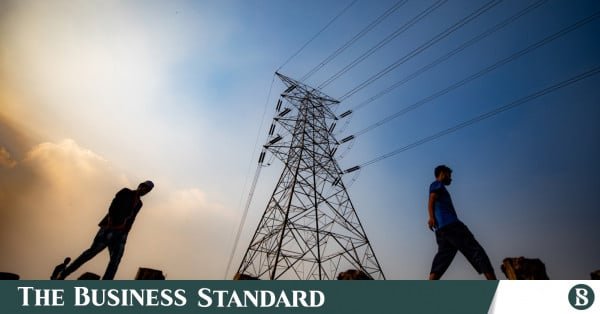
If a nation’s electricity is unreliable or structurally uncompetitive, its digital economy starts with a disadvantage. Photo: TBS
“>

If a nation’s electricity is unreliable or structurally uncompetitive, its digital economy starts with a disadvantage. Photo: TBS
The Power Grid Bangladesh PLC has formed a five-member probe committee to investigate the cause of today’s (27 October) national grid failure, which disrupted electricity supply in parts of Dhaka, Chattogram and other areas.
The committee, headed by Syed Ebadullah Haider Ali, chief engineer (additional charge) of Transmission-2, has been asked to submit its report within five working days, according to a statement issued by the state-owned grid operator.
It will determine the precise technical cause of the disruption and recommend measures to strengthen grid reliability and prevent similar incidents.

The disruption began at 12:43pm today following a trip on the Meghnaghat-Haripur national grid line, according to officials cited in earlier reports.
The failure caused power generation to plunge by 5,370 megawatts within an hour, falling to 9,349MW at 1pm from 14,719MW at noon, according to Power Grid Bangladesh data.
Gas-fired generation dropped by 2,648MW, or around 60%, over the period, while coal-fired output fell by 1,916MW, or around 39%. Several major coal- and gas-fired power plants went offline during the disruption.
The outage affected parts of eastern Dhaka, including Bhulta, Haripur, Siddhirganj, Gulshan, Rampura, Ullon and Motijheel, as well as parts of Chattogram. The Bangladesh Secretariat also remained without electricity for nearly an hour.

Bangladesh Power Development Board Chairman Rezaul Karim told Bangladesh Sangbad Sangstha (BSS) that the trip on the Meghnaghat-Haripur line triggered the disruption.
Following the incident, power plants began returning to operation in phases to increase generation and stabilise electricity supply.
Md Zahurul Islam, BPDB member for production, earlier told The Business Standard that several plants were resuming operations and generation was gradually increasing.
He expected the situation to improve to a comfortable level by around 10pm, although the precise technical cause had yet to be established.
The grid operator said engineers were restoring connections in stages under the supervision of the National Load Dispatch Centre. It also warned that generation would take time to recover and sporadic load-shedding might continue during the process.
The probe committee is expected to establish the technical sequence behind the failure and identify measures to reduce the risk of similar disruptions in the future.
About The Author