Illustration: Ashrafun Naher Ananna/TBS Creative
“>

Illustration: Ashrafun Naher Ananna/TBS Creative
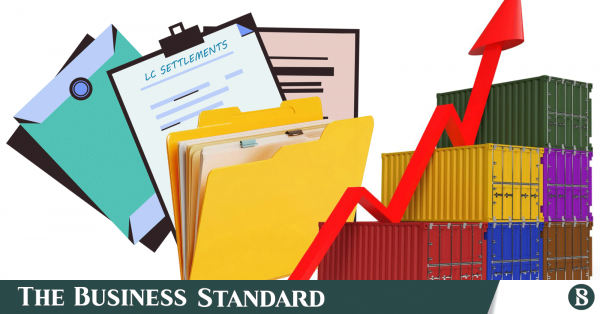
Bangladesh’s letters of credit (LCs) for imports rose to $8.10 billion in September, the highest monthly level in 53 months, as higher fuel and raw material prices pushed up import costs alongside a modest increase in import volumes.
A senior Bangladesh Bank official confirmed the figures to The Business Standard, saying LC openings had last exceeded $8 billion in April 2022, when they reached $8.41 billion.
Infographic: TBS
“>

Infographic: TBS
LC openings rose 22.37% year-on-year from $6.62 billion in September last year. LC settlements, meanwhile, stood at $6.38 billion in September.
Bankers said the increase in LC openings largely reflected higher import bills, particularly for petroleum products, as geopolitical tensions in the Middle East pushed up fuel prices. Importers are now paying more for the same volume of fuel, while a modest increase in import volumes has also contributed to the rise. They, however, said the volume in capital machinery imports did not rise.

The higher cost of fertiliser imports has added to the pressure, as Bangladesh typically imports larger quantities of the agricultural input in August and September.
Higher prices push up import bills
A senior executive of a leading business group told The Business Standard that import prices had risen since the outbreak of conflict in the Middle East, with costs increasing particularly sharply over the past two months.
Citing some examples, another business executive said the cost of importing zinc had risen to $4,200 from $3,200, while the price of flat steel had increased to $575 from $500. The cost of bitumen had climbed to $650 from $450.
Hassan O Rashid, managing director of Prime Bank, said higher fuel prices were a major factor behind the increase in import costs, while a modest rise in raw material imports could indicate a gradual improvement in business activity.
“Raw material imports have also risen somewhat, which could indicate some improvement in business momentum. Although the recovery may be slow, I believe business activity could expand to some extent in the future,” he said.
A senior official of a bank said the country had imported more than $200 million worth of fertiliser last month, adding that the cost of importing the same quantity had previously been lower.
Bankers said the increase in import costs appeared to have contributed more to the rise in LC openings than the growth in import volumes.
Imports rise amid trade deficit
Bangladesh’s merchandise imports grew by more than 12% year-on-year in the first two months of FY2026-27, with imports totalling $12.20 billion, according to balance of payments data.
The merchandise trade deficit reached $3.82 billion during July and August, as import expenditure exceeded export earnings.
A senior official of a private bank said businesses faced no major restrictions on opening LCs because banks had sufficient dollar liquidity to facilitate import payments.
About The Author