BNP leader highlights financing, energy and compliance challenges.
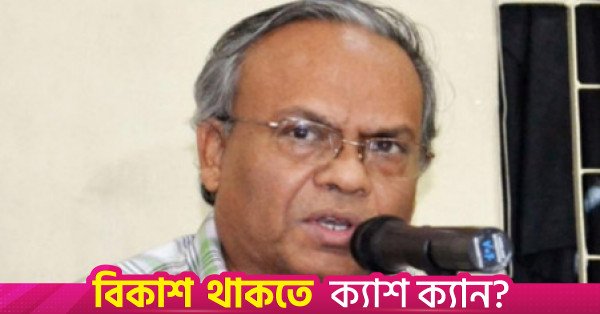
BNP Acting Secretary General and Prime Minister’s Political Adviser Ruhul Kabir Rizvi. File photo
“>

BNP Acting Secretary General and Prime Minister’s Political Adviser Ruhul Kabir Rizvi. File photo
Bangladesh needs to restructure its banking and financial sectors to ease financing constraints and address mounting challenges in the textile and readymade garment industries, BNP Acting Secretary General and Prime Minister’s Political Adviser Ruhul Kabir Rizvi said today (10 October).
He made the remarks at a discussion on “Steps to Resolve Existing Problems in the Textile Sector”, organised by the Association of Engineers Bangladesh (AEB) alongside a reception for the newly elected committee of the Institution of Textile Engineers and Technologists (ITET) at the Institution of Engineers, Bangladesh (IEB) auditorium in Dhaka.
Rizvi said the banking sector had suffered extensive damage during the previous government’s tenure and urged the government to ensure adequate financing for industries despite resource constraints.

He said the textile and garment sectors were among Bangladesh’s major sources of foreign currency earnings, making it essential to identify their problems and take effective measures without delay.
Rizvi said entrepreneurs were grappling with multiple challenges, including electricity shortages, rising power prices, limited access to bank loans, difficulties in opening letters of credit (LCs) and the costs of complying with international buyers’ requirements.
He identified energy and power shortages as major obstacles to production, warning that international tensions and conflicts were disrupting energy supplies and putting additional pressure on Bangladesh’s industrial sector.
He called for effective measures to maintain uninterrupted production and support an industry that provides employment to a large number of people.
LDC graduation raises compliance concerns
Rizvi warned that Bangladesh’s graduation from the least developed country (LDC) category could create further challenges for the textile and readymade garment industries.
He said European and American buyers might become less interested in sourcing Bangladeshi products after graduation, underscoring the need for stronger financial support to help businesses meet international compliance standards.
The BNP leader also stressed the importance of providing workers with safer and better working conditions while maintaining environmental standards.
Failure to meet such requirements could discourage international buyers from sourcing products from Bangladesh, he cautioned.
Rizvi expressed optimism about the prospects of state-owned industries, calling for closed factories to be reopened and modernised to improve productivity.
He said state-owned factories could become profitable if qualified people were appointed to key positions and modern technologies were adopted.
About The Author