On 22 September 2024, one Indian rupee was worth Tk 1.4292. Against that level, the taka has gained approximately 11.6% against the Indian currency over the past two years.
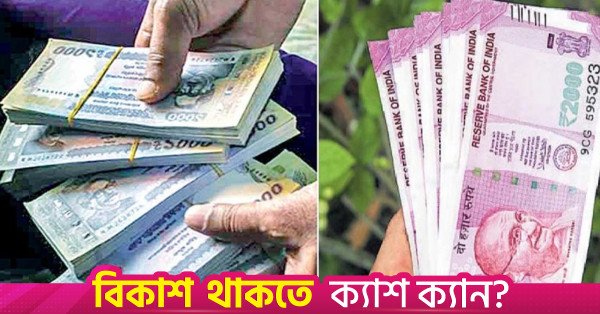
Bangladeshi taka strengthens against Indian rupee. Photo: Collected
“>

Bangladeshi taka strengthens against Indian rupee. Photo: Collected
The Bangladeshi taka has strengthened significantly against the Indian rupee over the past two years, gaining around 11.6% in value against the Indian currency, including a 7.6% gain over the past year compared to 22 September 2025.
According to exchange-rate data, Tk 1 was equivalent to around ₹0.781 on 22 September 2026, compared to about ₹0.726 on 22 September 2025 and around ₹0.700 on 22 September 2024.
This means that the taka gained around 5.5 Indian paise against the rupee during the one-year period, raising its purchasing power against the Indian currency by approximately 7.6%.

In terms of the reverse exchange rate, one Indian rupee was worth around Tk 1.281 on 22 September 2026, compared to Tk 1.3782 a year earlier. Thus, the amount of taka required to buy one Indian rupee declined by around Tk 0.0972, or about 7.1%, over the year.
On 22 September 2024, one Indian rupee was worth Tk 1.4292. Against that level, the taka has gained approximately 11.6% against the Indian currency over the past two years.
The year-on-year movement is therefore particularly notable, as the taka’s value increased from around ₹0.726 per taka on 22 September 2025 to around ₹0.781 on 22 September 2026, representing a gain of approximately 7.6%.
The latest Bangladesh Bank data also indicate continued strength of the taka against the Indian rupee in the foreign-exchange market.
Bangladesh Bank reported an INR cross rate of Tk 1.2789 to Tk 1.2796 per Indian rupee on 21 September 2026, equivalent to roughly ₹0.781 to ₹0.782 per taka.
The exchange-rate movement means that one Indian rupee now buys fewer taka than it did a year earlier, while one taka buys more Indian rupees.
Talking to BSS, Bangladesh Bank Executive Director and Spokesperson Arif Hossain Khan said the strengthening of the taka against the Indian rupee could have a positive impact on Bangladesh-India economic and trade relations, particularly by reducing the local-currency cost of imports from India.
He said a stronger taka means Bangladeshi importers may need to spend comparatively fewer taka to purchase the same amount of Indian goods and services, provided other factors, including international prices, transportation costs and trade-related charges, remain unchanged.
“This development can help reduce the taka cost of Indian goods and services for Bangladeshi importers. It can also lower the local-currency cost of expenses for Bangladeshis travelling to India,” he said.
For Bangladesh-India trade, Arif Hossain Khan said the movement of the exchange rate could influence the overall local-currency cost of imports from India.
If the taka remains relatively stronger against the Indian rupee, importers may benefit from a lower taka requirement for settling payments denominated in Indian currency, he added.
He said the exchange-rate movement could also provide some relief to businesses importing raw materials, industrial inputs, machinery and other products from India, as the currency component of their import costs may become relatively lower.
At the same time, he noted that the actual impact on market prices would depend on several other factors, including the prices of imported commodities, freight and logistics costs, tariffs and taxes, and the pricing decisions of importers and traders.
The Bangladesh Bank spokesperson said the exchange rate is one of the factors influencing the cost of cross-border trade, and movements in the taka-rupee rate should therefore be viewed in the broader context of bilateral trade and foreign-exchange market developments.
He also said a stronger taka against the Indian rupee could benefit Bangladeshi travellers to India by reducing the taka equivalent of expenses such as accommodation, food, transportation and other local payments, depending on prevailing market rates.
However, he stressed that exchange-rate movements alone do not determine the final prices of imported goods or the overall cost of travelling abroad, as other domestic and international market factors also play a role.
Arif Hossain Khan said Bangladesh Bank continues to monitor developments in the foreign-exchange market and exchange-rate movements to maintain stability and support an orderly foreign-exchange market.
About The Author