Saima said she agreed to go on leave in July 2025 after being told it was in the organisation’s interest, expecting the process to be fair and neutral.
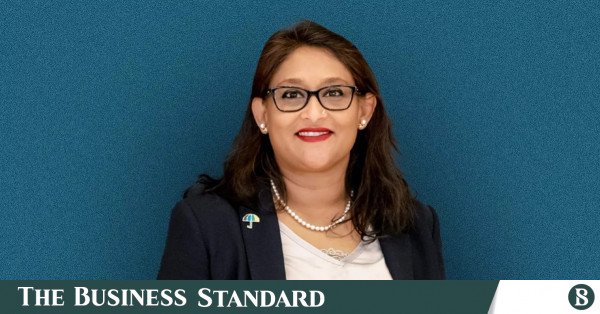
Saima Wazed. File Photo: UNB
“>

Saima Wazed. File Photo: UNB
Saima Wazed, daughter of ousted prime minister Sheikh Hasina, has said political pressure and what she described as a failure to uphold due process led to her resignation as the World Health Organization’s (WHO) regional director for South-East Asia.
In an article published by the Indian news website Firstpost yesterday (19 September), following her resignation, Saima alleged that WHO Director-General Tedros Adhanom Ghebreyesus mishandled a politically motivated campaign against her and failed to properly address her concerns about communications between the WHO chief and Bangladesh’s interim authorities.
“I hold WHO in enormous regard,” Saima wrote, while stressing that her concerns were with how the organisation’s leadership handled her case rather than with WHO’s mission, reports Firstpost.

Saima said she agreed to go on leave in July 2025 after being told it was in the organisation’s interest, expecting the process to be fair and neutral.
She alleged that she was subsequently subjected to a series of investigations and was eventually placed on unpaid leave.
The allegations against her included a case involving a plot of land she purchased in 2021, before she joined WHO, as well as an allegation of financial fraud linked to a trip to China.
According to Saima, she was tried in absentia in Bangladesh over the land case despite being openly based in New Delhi as WHO’s regional director at the time.
She said she was never properly notified of the proceedings and cited an independent legal review that, she said, found the case procedurally and substantively unlawful.
Saima also said she raised concerns with WHO over communications between Bangladesh’s interim authorities and Tedros that she believed had not followed standard diplomatic channels.
She said she requested an independent investigation into the matter and the alleged leaking of confidential material from the WHO Director-General’s office, but received no substantive response.
She further alleged that her leave arrangement was changed 10 days after she formally requested an investigation into Tedros, which she viewed as retaliatory.
She said the decision left her under financial and professional pressure while preventing her from publicly responding to allegations against her.
Saima said she cooperated with subsequent investigations, including an inquiry into alleged financial fraud connected to a China trip. She said the trip never took place because she had fallen ill.
In early August 2026, WHO’s Internal Oversight Services informed her that the allegation was unsubstantiated and the case had been closed, according to Saima.
By that point, she said, she had been without pay for almost a year and unable to participate in her profession.
Saima also compared her treatment with allegations previously faced by Tedros concerning Ethiopia, saying he had not been placed on unpaid leave over those accusations.
“I believe due process, to mean anything, must mean the same thing for everyone,” she wrote.
Wazed said her resignation was not an admission of wrongdoing but a decision taken after she concluded that there was no meaningful path left for her within WHO. She said the closure of the investigation did not come with an explanation or accountability for how she had been treated.
She also defended her appointment as regional director, saying WHO’s vetting and nomination procedures had been followed and arguing that her family background should not determine her eligibility for an international position.
“I am my mother’s daughter, and I am proud of that,” she wrote.
Saima said she continued to believe in WHO’s mission but argued that the organisation needed to apply its own rules fairly and consistently to its leadership.
She said her immediate priority was to counter what she called malicious rumours, restore her professional credibility and return to work serving people in need.
About The Author