Bangladesh was forced to buy expensive LNG on the spot market after its top supplier Qatar.
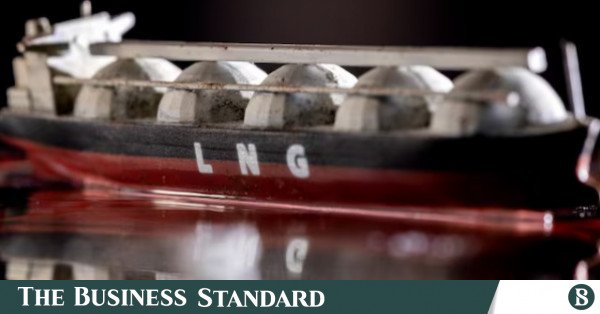
Model of an LNG tanker. Photo: Reuters
“>

Model of an LNG tanker. Photo: Reuters
High LNG prices are slowing Bangladesh’s industrial growth, forcing electricity outages and stifling spending on development projects due to higher government expenditure on gas subsidies, the country’s power minister said yesterday (14 September).
“Industrial growth is slowing down, and production is going down,” Bangladesh’s power minister Iqbal Hasan Mahmud said at the Gastech conference. “It is having a big effect.”
As LNG prices rise, the subsidies provided by the government to gas consumers are also going up, “and that is affecting our budgetary provisions for the other development programmes,” he added.

The South Asian nation of about 170 million people, which gets more than 40% of its electricity from mostly imported LNG, spent nearly 4% of its GDP annually on power and gas subsidies even before the US-Israeli war with Iran, according to Reuters calculations based on IMF data.
“Slowly, it is becoming impossible to go for the other programmes,” Mahmud said.
Bangladesh was forced to buy expensive LNG on the spot market after top supplier Qatar, which accounted for 95% of imports, stopped exporting due to the effective closure of the Strait of Hormuz.

Asian spot liquefied natural gas prices have more than doubled since the war began, hitting their highest level since December 2022 at $25.70 per million British thermal units last week.
Diversifying LNG sources, boosting renewables
Bangladesh is looking east towards Indonesia, Australia and China as the effective blockade of the Hormuz Strait has shut out Middle East LNG suppliers, Mahmud said, adding that Russian supplies are out of reach because of Western sanctions.
“Being one of the biggest exporters of garments to the US, we have to follow that,” he said.
The country also plans to install 10,000 megawatts of solar power over the next five years to reduce dependence on imported fossil fuels, and provide five-year tax holidays for investors in solar and lithium batteries, Mahmud said.
Bangladesh has been in discussions with China to install small modular nuclear reactors and could also use more coal, prices of which have been relatively muted since the start of the Iran war, he said.
About The Author