The division completed the disposal of these cases over 132 working days, averaging around 84 cases a day.
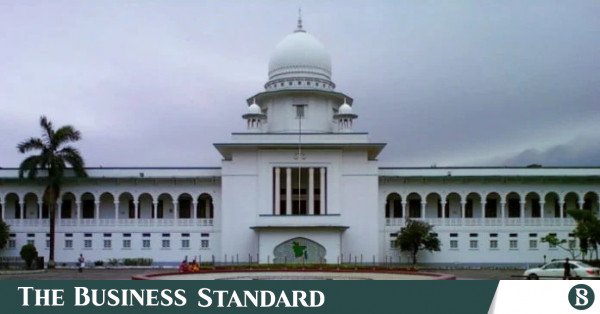
Supreme Court. Photo: Collected
“>

Supreme Court. Photo: Collected
The Appellate Division of the Supreme Court disposed of 11,136 cases in the first eight months of 2026, significantly exceeding the number of new cases filed during the period and reducing its overall backlog.
Between 1 January and 31 August, 9,139 new cases were filed with the Appellate Division, meaning the court disposed of 1,997 more cases than it received.
The pace marks a significant improvement compared with previous years. The Appellate Division disposed of 6,859 cases in 2021, 5,406 in 2022, 5,349 in 2023, 5,312 in 2024 and 7,553 in 2025, according to a media release signed by Md Shafiqul Islam, public relations officer of the Supreme Court, today (13 September).

On average, nearly 6,096 cases were disposed of annually during those five years. In contrast, the Appellate Division disposed of 11,136 cases in just eight months this year.
The division completed the disposal of these cases over 132 working days, averaging around 84 cases a day.
Monthly figures show a consistent pace of disposal. The division settled 2,705 cases in January, 2,724 in February, 1,107 in March and 1,321 in April. It disposed of 638 cases in May, 1,321 in June, 687 in July and 633 in August, according to the release.
The increased disposal rate has also helped reduce the number of pending cases.
The Appellate Division began 2026 with 41,551 pending cases. By 31 August, the number had fallen to 39,554, a reduction of 1,997 cases, as disposals exceeded new filings during the first eight months.
The development comes as the Supreme Court has stepped up efforts to reduce case backlogs and ensure faster justice for litigants.
The High Court Division has also recorded a sharp rise in case disposal this year. It disposed of 87,596 cases during the first eight months, compared with 55,756 cases throughout 2025.
The Supreme Court has taken additional measures to expedite serious criminal cases, including death-reference cases. A special High Court bench formed in June has so far disposed of 22 death-reference cases, particularly prioritising cases involving violence against women and children.
About The Author