Committee Chairman Zainul Abedin placed the report before parliament today, with the objections attached as notes of dissent.
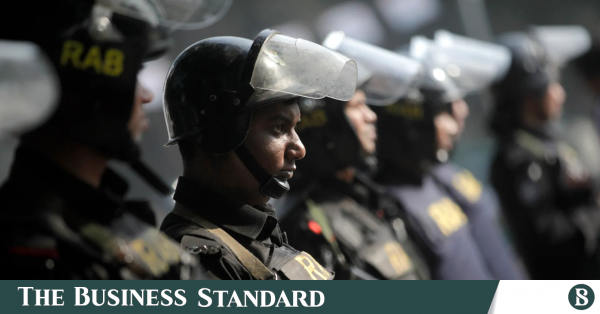
Members of the Rapid Action Battalion. File photo: Reuters
“>

Members of the Rapid Action Battalion. File photo: Reuters
Opposition members of the Parliamentary Standing Committee on the Ministry of Home Affairs have raised seven objections to the Special Response Battalion (SRB) Bill, warning that the proposed force could effectively continue RAB under a new name.
Committee Chairman Zainul Abedin placed the report before parliament today, with the objections attached as notes of dissent. The dissent note was signed by Chapainawabganj-3 MP Md Nurul Islam and Dhaka-16 MP Md Abdul Baten.
The MPs said the bill should not be rushed without wider consultation with law enforcement officials, lawyers, victims’ families, political parties and human rights organisations.

Under the proposed law, RAB would be dissolved and the SRB formed as a specialised police unit. However, Section 27(3) provides for transferring RAB’s personnel, establishments, powers, records, assets, contracts and liabilities directly to the new force.
The opposition members said stronger safeguards are needed to preserve RAB records, including operation documents, custody registers, CCTV footage and arms records. They also proposed making the concealment, alteration or destruction of such records an offence.
They questioned the independence of the complaints committee proposed under Section 24, as senior SRB officials would lead it. Instead, they proposed a retired High Court judge as chairman, with representation from rights and legal bodies.
The MPs also sought regular external oversight of SRB operations, including monthly reports on arrests, searches, seizures and detainees.
They called for clear rules on where civilians could be detained and for how long, along with detailed custody registers.
Other proposals included mandatory training for members before they exercise arrest and investigation powers, legal protection for personnel refusing unlawful orders, and a new code of conduct and disciplinary framework within six months.
Home Minister Salahuddin Ahmed placed the bill in Parliament on 3 September before it was sent to the committee for scrutiny.
About The Author