Nearly 400 people joined a clean-up and public awareness campaign in Companiganj, Noakhali, to prevent plastic pollution and promote responsible waste management.
The campaign was part of the “Integrated Approach Towards Sustainable Plastics Use and Marine Litter Prevention in Bangladesh” project, jointly implemented by the Department of Environment (DoE) and the United Nations Industrial Development Organisation (UNIDO) with financial support from the Norwegian government, according to a press release.
Local administration officials, students, young volunteers, social organizations, businesspeople, representatives of business associations, members of BD Clean, and residents joined the campaign after being invited to participate.

Noakhali-5 MP Muhammad Fakrul Islam attended the programme as chief guest, while Department of Environment Noakhali Deputy Director Musammat Shaokat Ara Koli was present as a special guest.
Companiganj Upazila Nirbahi Officer and Administrator Md Masudur Rahman chaired the event.
Other attendees included Noakhali Science and Technology University Department of Environmental Science and Disaster Management Chairman and Professor Dr Mohammad Mohinuzzaman, Department of Environment Project Director and Deputy Director Dr Abdullah Al Mamun, and UNIDO Bangladesh National Specialist Gubair Bin Arafat.
Former Companiganj Convener and Noakhali BNP member Md Nurul Alam Sikder, Pourashava BNP Convener and Business Association President Md Abdul Matin Liton, Companiganj Police Station Officer-in-Charge Mohammad Nurul Hakim and BD Clean Companiganj representative Md Sakhawat Hossain Nishad also attended.
In his welcome remarks, Abdullah highlighted the growing environmental challenges caused by climate change and human-induced plastic pollution.
He stressed the need for responsible behaviour and coordinated action at individual, household, institutional and local levels to curb plastic pollution.
Speaking for Unido Bangladesh, Gubair outlined the project’s activities and the campaign’s objectives.
He emphasised the need for an integrated approach across the entire life cycle of plastics, from production and consumption to collection, reuse, recycling and final disposal. He also said behavioural change within local communities is essential to sustainable plastic management.
The programme screened awareness videos on plastic waste and biomedical waste management.
Mohinuzzaman delivered the keynote presentation, highlighting the harmful effects of plastic pollution and urging young people to lead efforts to develop and promote environmentally friendly alternatives.
He also stressed the importance of research and innovation in finding sustainable environmental solutions.
Shaokat Ara urged all stakeholders to act responsibly to control plastic pollution and protect the environment.
During an experience-sharing session, Abdul Matin, Nurul Alam, Nurul Hakim, Sakhawat, and other local stakeholders discussed waste management, cleanliness, and public awareness.
Addressing the programme, Fakrul said government initiatives alone would not be enough to control plastic pollution and build a cleaner Companiganj.
He called for collective action involving the local administration, business community, young people, volunteers, and the public.
“Plastic pollution should not be viewed merely as a cleanliness issue. It is a major threat to canals, rivers, agricultural land, water bodies, coastal areas, and the marine environment,” he said.
He urged residents not to dispose of waste indiscriminately or use canals and other water bodies as dumping grounds.
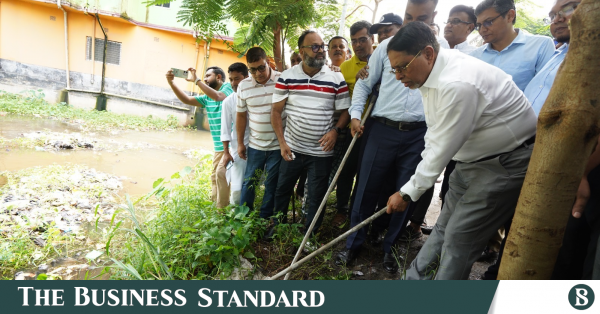
Following the discussion, Fakrul inaugurated a clean-up operation at Basurhat Canal, adjacent to Basurhat Bazar.
Nearly 400 participants removed accumulated plastic, polythene, packaging materials, and other waste from the canal and surrounding areas. Local businesspeople and residents were also informed about the importance of preventing market waste from entering canals, drains, and other water bodies.
The organisers said the campaign was not intended to be a one-day initiative but part of a broader effort to change waste-disposal practices and promote responsible plastic waste management within communities.
Participants pledged to reduce plastic pollution, avoid indiscriminate waste disposal, and help protect coastal and marine ecosystems.
Guests, volunteers, businesspeople, students, and community representatives also signed the “Commitment Board for a Cleaner and Plastic-Free Bangladesh”.
The campaign concluded with the slogan: “My Environment, My Responsibility; Clean Companiganj, Our Commitment.”
About The Author