Muhit said that over the past six months the health ministry had been regularly coordinating with international and local organisations to improve and expand eye-care services.
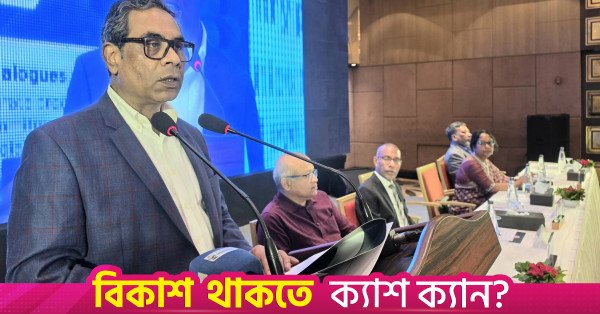
State Minister for Health and Family Welfare Dr MA Muhit speaking as the chief guest at the formal inauguration of the “WHO SPECS 2030” initiative at Hotel InterContinental in the capital today (18 August) . Photo: Collected
“>

State Minister for Health and Family Welfare Dr MA Muhit speaking as the chief guest at the formal inauguration of the “WHO SPECS 2030” initiative at Hotel InterContinental in the capital today (18 August) . Photo: Collected
State Minister for Health and Family Welfare Dr MA Muhit today (18 August) said that dedicated outpatient, inpatient and operating theatre facilities for eye care will be provided at the 151-bed full-fledged hospitals currently under construction in every upazila across Bangladesh.
At the same time, the government is finalising an integrated “National Eye Care Plan”, with targets of carrying out around 1 million cataract operations, he added.
He made the remarks as the chief guest at the formal inauguration of the “WHO SPECS 2030” initiative at Hotel InterContinental in the capital.

Muhit said, “Advanced eye-care services will be provided in around 500 upazilas so that people in rural and remote areas would no longer have to travel to district towns or Dhaka for treatment.”
Outlining the government’s plan to strengthen primary healthcare at the grassroots, Muhit said “primary eye care” would be made a compulsory component of the training of 100,000 health workers currently going through the government recruitment process.
“In addition, infrastructure at district hospitals will be integrated to rapidly strengthen regular cataract surgery and refractive services in at least half of the country’s districts,” the state minister added.
Referring to plans to expand the capacity of the National Institute of Ophthalmology and Hospital (NIOH), he said a major project had been undertaken to modernise and expand the facility of the hospital and would be implemented soon.
The government also plans to draw on the experience of NGOs operating in both the public and private sectors to showcase Bangladesh’s achievements in eye care at the global level.
Muhit said that over the past six months the health ministry had been regularly coordinating with international and local organisations to improve and expand eye-care services.
“With efforts at the highest level of government, Bangladesh had also secured a major commitment to host a global summit. The government aims to bring about a landmark improvement in Bangladesh’s eye-care sector within the next three to four years,” he concluded.
About The Author