The minister said the roots of Binna grass penetrate deep into the soil and hold it firmly in place, helping reduce erosion caused by rainwater, waves and currents.
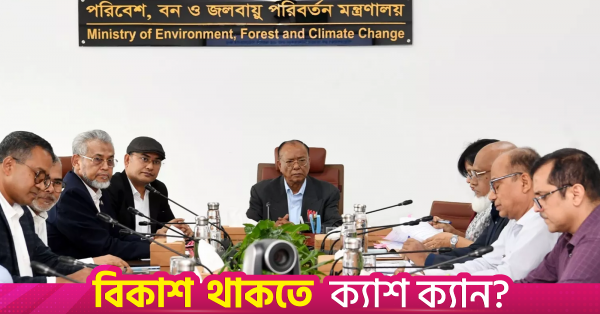
Water Resources Minister Shahiduddin Chowdhury Anee speaks at a meeting on “Vetiver Grass Policy for Bangladesh” at Pani Bhaban in Dhaka today. Photo: Collected.
“>

Water Resources Minister Shahiduddin Chowdhury Anee speaks at a meeting on “Vetiver Grass Policy for Bangladesh” at Pani Bhaban in Dhaka today. Photo: Collected.
The government is planning to plant a special species of grass, locally known as “Binna” (vetiver), across river erosion-prone areas of the country as a low-cost, nature-based defence against riverbank erosion and soil loss, Water resources Minister Shahiduddin Chowdhury Anee said today (16 August).
“Binna grass can be an effective, environment-friendly and low-cost natural solution to river erosion, soil erosion and land degradation. Planting it systematically along riverbanks, embankment slopes, haor areas and erosion-prone zones can significantly increase soil stability,” the minister said while addressing a meeting on “Vetiver Grass Policy for Bangladesh” at Pani Bhaban in the capital’s Panthapath.
The minister said the roots of Binna grass penetrate deep into the soil and hold it firmly in place, helping reduce erosion caused by rainwater, waves and currents.

He said the use of the grass along riverbanks, canal banks, embankments, hill slopes and haor regions could help maintain ecological balance while enhancing the durability of infrastructure, and called for wider use of the grass to protect soil on riverbanks and embankments across the country.
The water resources ministry is prioritising sustainable and environment-friendly initiatives to protect the country’s rivers, canals, embankments and reservoirs, he added.
Speaking at the event, State Minister for Water resources Forhad Hossain Azad said climate change is increasing the risk of floods, river erosion, excessive rainfall and land degradation in the country.
He said tackling these natural disasters requires greater emphasis on nature-based, environment-friendly solutions instead of relying solely on concrete infrastructure, adding that Binna grass could play an effective role in this regard.
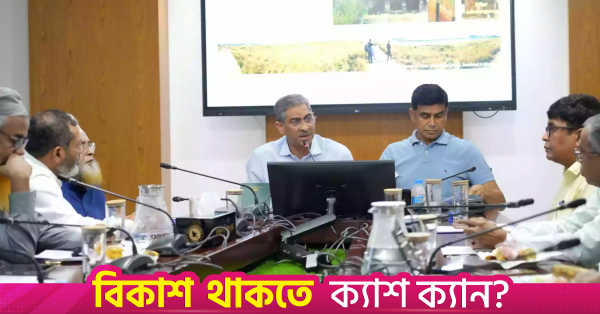
Professor Mohammad Shariful Islam, pro-vice-chancellor of Bangladesh University of Engineering and Technology (BUET), made a PowerPoint presentation on the benefits and potential of Binna grass at the event, which was attended by senior officials of the ministry and its affiliated departments and agencies.
About The Author