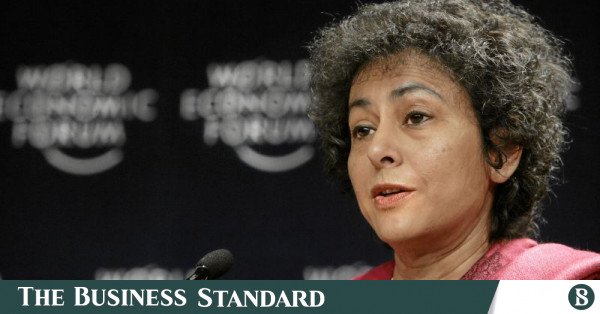
Irene Khan at the World Economic Forum 2007. Photo: Collected
“>

Irene Khan at the World Economic Forum 2007. Photo: Collected
Bangladesh must advance implementation of the Sustainable Development Goals (SDGs) and its graduation from the least developed country (LDC) category simultaneously, said Irene Khan, Bangladesh’s newly appointed permanent representative to the United Nations in New York.
Speaking at a session titled “Role of Development Partners in Implementing the Five-Year Strategic Framework for SDGs and Reforms” at a national conference in Dhaka, she said the two processes offered a rare opportunity to accelerate long-pending economic and institutional reforms.
“SDG implementation and the LDC graduation process are closely interconnected. Bangladesh now has an opportunity that has rarely come in the country’s history. By using this opportunity to implement necessary reforms quickly, it is possible to bring about major changes in the economy,” she said.

Bangladesh is scheduled to graduate from the LDC category in 2026, but the government has sought an extension to ensure a successful, sustainable and lasting transition. The UN envoy said the extension request and the final phase of SDG implementation would put additional pressure on the government to implement reforms and accelerate development, creating a “dual incentive”.
The LDC roadmap calls for strengthening the financial sector, improving the investment climate, increasing domestic revenue mobilisation, facilitating trade negotiations and pursuing new trade agreements. Bangladesh must make significant progress in these areas over the next three years while accelerating SDG implementation, she said.
Bangladesh must work faster in the final phase of SDG implementation as it has already lost considerable time, she said. While the country made significant progress under the Millennium Development Goals, the SDGs are harder because their targets are broader and deeply interconnected.
Despite global challenges, Bangladesh has no shortage of strength, creativity and innovation among its people, she said, urging more effective use of these capabilities.
She also called for stronger international development-partner support and stressed domestic partnerships, particularly the role of civil society and local communities in grassroots development programmes.
SM Abdul-Awal, principal coordinator for SDGs at the Prime Minister’s Office, called for greater development-partner support to accelerate SDG progress by 2030, including concessional financing, faster loan disbursement and increased technical assistance. He also stressed stronger partnerships and adequate resources for marginalised and vulnerable groups.
The two simultaneous transitions present both a major challenge and an opportunity for economic and institutional reform, making timely reforms and development-partner support crucial, stakeholders said.
About The Author