Hepatitis B cases fell from 51.1% to 44.4% over the decade
Infographics: TBS
“>

Infographics: TBS
Bangladesh’s decades-long fight against hepatitis B and C is showing positive results, but health experts warn the country is entering a new phase of its liver disease epidemic as fatty liver disease rapidly emerges as a leading cause of chronic liver disease.
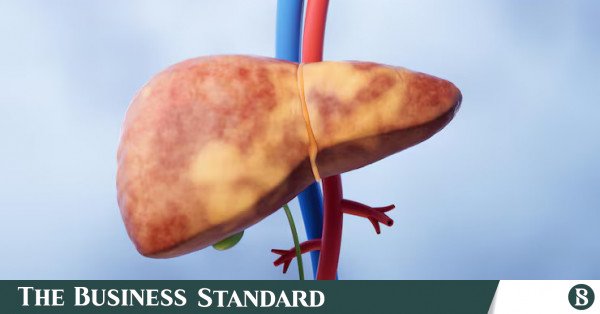
A new study by the Bangladesh Medical University (BMU) found that cases of non-alcoholic fatty liver disease (NAFLD) increased nearly sevenfold over the past decade, reflecting the growing impact of obesity, diabetes, unhealthy diets and increasingly sedentary lifestyles.
While viral hepatitis is on the decline, researchers say the country’s overall burden of chronic liver disease remains largely unchanged, with metabolic liver disease taking its place.
The study, titled “Changing Landscape of Chronic Liver Diseases in a Tertiary Level Hospital of Bangladesh Over the Last 10 Years,” analysed the medical records of 4,658 adult patients admitted to the Department of Hepatology at BMU between 2013 and 2022.

Published in the Wiley Online Library on 28 April 2026, it documents a significant shift in the country’s liver disease profile over the past decade.
The researchers found that the proportion of patients with chronic hepatitis B declined significantly from 51.1% during 2013-2016 to 44.4% between 2017 and 2022. Hepatitis C cases also fell slightly, from 11.3% to 10.4% over the same period.
In contrast, the prevalence of NAFLD and non-alcoholic steatohepatitis (NASH) rose sharply from just 1.2% to 8.1%, nearly a sevenfold increase within a decade.
The study attributes this changing disease pattern to two parallel trends: the success of Bangladesh’s national hepatitis B vaccination programme and improved access to effective hepatitis C treatment on one hand, and the growing prevalence of obesity, diabetes and sedentary lifestyles on the other.
Although hepatitis B remained the largest single cause of chronic liver disease, accounting for 47.3% of all cases, its share continued to decline over the study period. Cryptogenic liver disease accounted for 18.8% of cases, followed by hepatitis C at 10.8%, while NAFLD and NASH together represented 5.2% of all chronic liver disease cases.
The findings also underscore the close link between fatty liver disease and metabolic disorders. According to the study, NAFLD is particularly common among people with diabetes, hypertension, overweight and obesity, with obese individuals facing more than a tenfold higher risk than those with a healthy body weight.
Professor Shahinul Alam, lead author of the study and a professor in the Department of Hepatology at BMU, said Bangladesh has made remarkable progress in controlling viral hepatitis through vaccination and improved treatment.
“The introduction of curative treatment for hepatitis C has significantly reduced infections in Bangladesh. At the same time, the Expanded Programme on Immunisation now achieves around 95% coverage for hepatitis B vaccination, leading to a steady decline in hepatitis B infections,” he told The Business Standard.
However, he cautioned that these public health gains are being offset by the rapid rise of lifestyle-related liver disease.
“People are becoming less physically active while consuming more high-calorie foods and sugar-sweetened beverages. As a result, fatty liver disease has become one of the leading causes of chronic liver disease and liver cirrhosis,” he said.
According to Shahinul Alam, Bangladesh’s overall burden of liver disease has not decreased; instead, its underlying causes are changing.
“Previously, viral hepatitis accounted for most chronic liver disease. Now, fatty liver disease is emerging as a major public health concern,” he said.
The findings mirror a broader global trend. According to the World Health Organization (WHO), liver disease was the ninth leading cause of death in Bangladesh in 2020, claiming more than 21,000 lives. Worldwide, liver diseases are responsible for around two million deaths each year.
Prevention requires national action
Shahinul Alam said tackling the rise of fatty liver disease will require coordinated efforts that extend well beyond the healthcare system.
“We need interventions at every level from schools and communities to national policymaking to promote healthier lifestyles,” he said.
He recommended reducing the consumption of high-calorie foods, sweets and sugar-sweetened beverages while increasing daily physical activity. He also stressed the importance of encouraging children to participate in outdoor sports and regular exercise from an early age.
Public health experts say Bangladesh’s success in reducing hepatitis has demonstrated that sustained national programmes can effectively combat liver disease.
They argue that a similarly comprehensive approach is now needed to address the country’s growing burden of metabolic liver disease before it becomes the dominant cause of liver-related illness and death.
“Unless we address lifestyle-related risk factors now, metabolic liver disease will continue to replace viral hepatitis as one of Bangladesh’s biggest liver health challenges,” Shahinul said.
About The Author