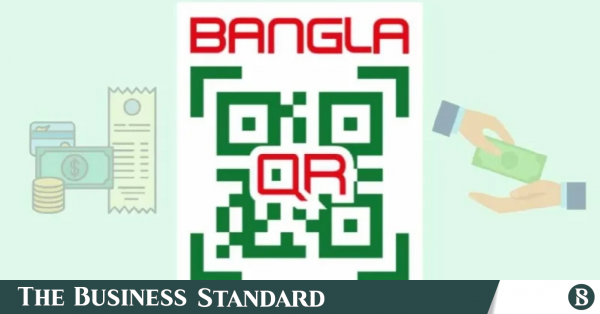
The initiative to launch Bangla QR has been taken to build a cashless society by reducing cash transactions
Representational image. Photo: Collected
“>

Representational image. Photo: Collected
Bangladesh Bank (BB) has announced that the use of the standardised interoperable Quick Response (QR) code, known as “Bangla QR”, will become mandatory nationwide from 1 July 2026 as part of efforts to reduce cash transactions and accelerate the transition to a cashless economy.
BB Deputy Governor Nurun Nahar made the announcement while inaugurating the “Bangla QR Transaction Campaign” at the central bank headquarters in Motijheel today (25 June).
“The initiative to launch Bangla QR has been taken to build a cashless society by reducing cash transactions,” Nurun Nahar said, adding that the platform would enable customers to pay exact bill amounts more conveniently and securely.

Deputy Governor Habibur Rahman said wider adoption of digital payments would help reduce undocumented economic activities by creating transaction records across digital channels.
“The informal footprint of the economy will gradually shrink as more transactions move to digital platforms,” he said, adding that greater financial inclusion and formalisation could support economic growth and strengthen macroeconomic stability.
He urged banks and payment service operators to integrate Bangla QR into their mobile applications to expand access to digital financial services.
Deputy Governor Kabir Ahmed said increased digital transactions would improve transparency, boost the tax-to-GDP ratio and strengthen anti-money laundering efforts.
He also announced that a fully interoperable Instant Payment System (IPS) is expected to be launched next year, enabling instant transfers between bank accounts and mobile financial service wallets.
According to the central bank, the campaign aims to demonstrate the effectiveness of cashless transactions and encourage wider adoption of digital payments. Major retailers and consumer brands participated in the event, where central bank officials used Bangla QR codes to make purchases and pay utility bills.
About The Author