Existing pump stations are being used to support drainage operations, he says
Local Government, Rural Development and Cooperatives Adviser and BNP Secretary General Mirza Fakhrul Islam Alamgir. Photo: Collected
“>

Local Government, Rural Development and Cooperatives Adviser and BNP Secretary General Mirza Fakhrul Islam Alamgir. Photo: Collected
Local Government, Rural Development (LGRD) and Cooperatives Minister Mirza Fakhrul Islam Alamgir has said the government has initiated short, medium and long-term plans to address the persistent waterlogging problem in Dhaka.
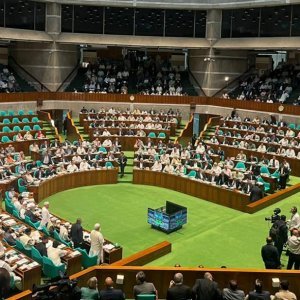
Responding to a question from MP Md Abul Kalam during the eighth day of the second session of the national budget session in parliament today (16 June), he said that existing pump stations are being used to support drainage operations.
Speaker Hafiz Uddin Ahmed presided over the sitting.

The minister said under short-term measures, drainage lines, box culverts and canals are being cleared of silt and waste, while portable pumps are being used to drain rainwater from waterlogging-prone areas during heavy rainfall.
He added that enough catchpits and iron gratings are being installed, awareness campaigns launched, emergency response teams formed, and drainage channels cleared to improve water flow.
Under the medium-term plan, four major canals are being restored and upgraded, while outlets are being built for Jia Sarani and Shyampur canals to drain water into the nearby Buriganga River.
He further said drainage construction, repair and rehabilitation works are ongoing to improve the city’s stormwater management system.
For the long term, the government plans to develop around 50 kilometres of canals, including Jia Sarani, Kajla and Mridhabari canals, and improve drainage and roads in 18 newly added wards to curb waterlogging.
He added that more outlets and pump stations will be built under DSCC’s drainage master plan, while the government will assess and upgrade drainage capacity, construct utility ducts, and modernise waste management for better urban resilience.
The minister noted that these coordinated interventions are expected to significantly reduce urban waterlogging in the coming years.
About The Author