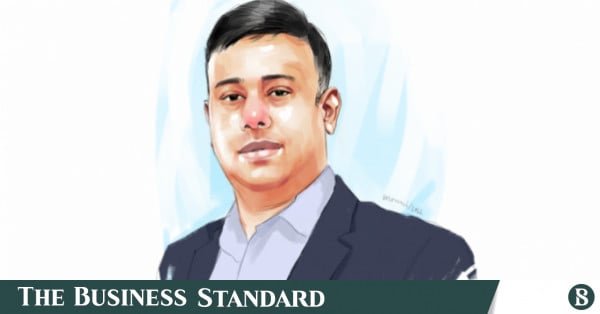
Policy Exchange Bangladesh Chairman M Masrur Reaz today (18 May) warned that Bangladesh’s heavy reliance on indirect taxes will create significant risks for the economy.
Speaking at a roundtable discussion titled “Overdependence on indirect taxes: Multifaceted impacts on the economy”, organised by Voice for Reform at the BDBL Bhaban in Karwan Bazar, he said, “Our tax system is regressive. Through this system, we will not be able to reduce poverty or move towards prosperity.”
Reaz also said that the bulk of Bangladesh’s revenue currently comes from value-added tax (VAT) and from customs.

He warned that the country would be required to gradually reduce tariffs after graduating from Least Developed Country (LDC) status, in line with rules set by the World Trade Organization.
“Even now, around 27 to 28% of our revenue comes from customs. Yet within the next few years, a large portion of it will have to be phased out,” he added.
He suggested that Bangladesh’s revenue authorities would need to move away from what he described as the “comfort zone” of indirect taxes and identify new sources of revenue.
Criticising taxes at multiple stages in the power and energy sector, Reaz said repeated taxes on the same goods were ultimately driving up prices for consumers.
“Because the same item is taxed at several levels, prices rise significantly by the time they reach the consumer stage,” he said.
Expressing concern over the cost of doing business, Reaz added, “Apart from labour costs, Bangladesh’s cost of business and trade are far higher than those of competing countries.”
Citing World Bank data, he said, “The import cost per shipment in Bangladesh is around $1,270, whereas in Vietnam it is $556.”
Reaz also questioned the size of the national budget, saying it was too small for the needs of the economy.
“In relation to the size of our economy, the budget is far smaller than it should be. At present, the budget amounts to only 12% to 13% of GDP,” he said.
He also said, “Necessary spending on health, education and infrastructure is not possible because our fiscal space is limited.”
Concluding his remarks, Reaz suggested increasing direct taxation to strengthen the country’s fiscal management.
About The Author