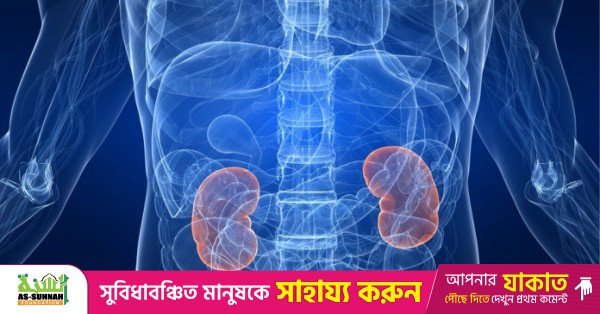
Around 3.8 crore people in Bangladesh are affected by kidney disease in some form, while nearly 80,000 patients require dialysis every year.
Representational image. Photo: Collected
“>

Representational image. Photo: Collected
About 60-70% of kidney disease cases in the country could be prevented through increased awareness and healthier lifestyles, experts said at a roundtable discussion today (7 March).
They also noted that around 3.8 crore people in Bangladesh are affected by kidney disease in some form, while nearly 80,000 patients require dialysis every year.
The roundtable titled “Climate Change and Kidney Disease: Risks and Solutions” was organised by the voluntary organisation Kidney Awareness Monitoring and Prevention Society (KAMPS) ahead of World Kidney Day 2026 at the National Press Club in Dhaka.

Speakers at the discussion urged the government to reduce treatment costs, expand dialysis and treatment facilities across the country, and launch large-scale awareness campaigns to prevent kidney disease and other life-threatening illnesses.
They also stressed the need for strategies to improve early detection, prevention and treatment accessibility, highlighting the importance of collaboration among medical institutions, policymakers and the media.
The session was presided over and moderated by Dr MA Samad, chairman of KAMPS and head of the Department of Nephrology at Anwer Khan Modern Medical College Hospital.
In his keynote speech, Dr Samad said the theme of World Kidney Day 2026 highlights the role of climate change and environmental factors behind many unexplained kidney diseases.
Referring to World Health Organization (WHO) data, he said kidney disease is one of the leading causes of death globally, with around 85 crore people currently suffering from the condition.
“In Bangladesh, kidney disease is gradually turning into an epidemic. In recent years climate change and environmental causes have emerged as new threats,” he said.
Bangladesh Kidney Foundation Chairman Harunur Rashid said controlling kidney disease will be difficult unless diabetes and high blood pressure – two major causes of kidney damage – are effectively managed.
He said lack of awareness remains a major problem. “If kidney disease is detected in the first or second stage, treatment is easier. But once it progresses to the third stage, it becomes extremely difficult to cure,” he added.
Among others who spoke at the event were Health Education and Family Welfare Secretary Jobaida Begum, National Press Club President and Kaler Kantho Editor Hasan Hafiz, Bangladesh Renal Association President Nazrul Islam, Paediatric Nephrology Society of Bangladesh President Afroza Begum, Assistant Professor Farhad Hasan Chowdhury, former government secretary Khondoker Mostan Hossain, KAMPS General Secretary Harisul Haque, Centre for Injury Prevention and Research Bangladesh Executive Director Fazlur Rahman, Bangladesh Garment Manufacturers and Exporters Association Director Mijanur Rahman Pintu, Bangladesh Poribesh Andolon General Secretary Alamgir Kabir, Kumudini Women’s Medical College Principal Md Abdul Halim, Bangladesh Cricket Board Chief Selector Gazi Ashraf Hossain Lipu, KAMPS Executive Director Rezwan Salehin, and poet Nasrin Begum.
Speakers also appreciated KAMPS for its more than 22 years of work in preventing kidney disease, providing low-cost treatment and expanding dialysis facilities in different parts of the country.
About The Author